
Skip to content
KnK Pakistan
Climate Change
What We Do

Climate Change

Mitigation · Climate Action · Adaptation

Climate Change

Empowering Communities for a Sustainable Future

We strive to enhance people's quality of life and overall health by implementing sustainable practices. Our efforts are centred on developing disaster risk reduction and management strategies, advocating for eco-friendly solutions such as clean energy generation, constructing resilient infrastructure, and fostering a deeper understanding of climate change through both theoretical knowledge and practical solutions.

Why now

The Urgency of Climate Action

Time is running out. The impacts of climate change are accelerating, with rising temperatures, extreme weather events, and ecological disruption. We must act now to reduce emissions, transition to sustainable practices, and safeguard our planet for future generations. Join us in the race against time to secure a sustainable future.

The urgency of climate action
Global goals

SDGs and Climate Action

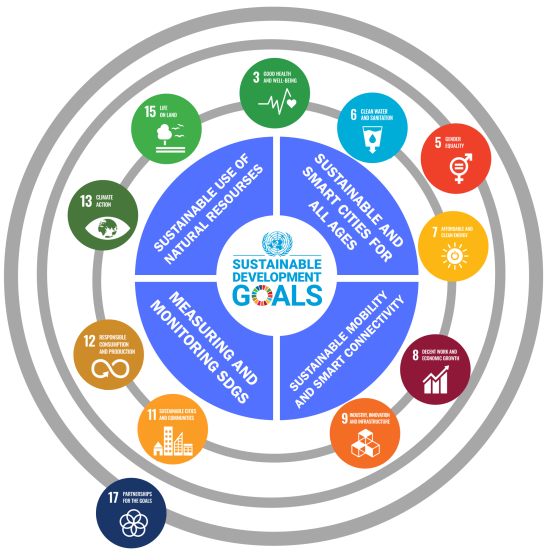
The UN Sustainable Development Goals wheel

Directly Aligned

Sustainable Development Goals directly aligned with KnK Japan's climate work

Indirectly Aligned

Sustainable Development Goals indirectly aligned with KnK Japan's climate work
In the field

Our Projects

Five interventions that cut emissions, stand up to floods and put clean power behind the buildings communities depend on.

01

Fly Ash Bricks: Turning Waste into Sustainable Building Blocks

KnK Japan has made fly ash bricks a cornerstone of its sustainability efforts. These bricks are crafted from recycled fly ash, an industrial byproduct of thermal power plants, turning a potential pollutant into a valuable resource. Using fly ash bricks in construction brings multiple environmental and structural benefits. This approach reduces pollution and preserves natural clay (topsoil) by avoiding traditional clay brick kilns and raw clay extraction. Fly ash bricks are lighter and more durable than conventional clay bricks, easing handling and improving building longevity. They also offer better thermal insulation, helping maintain comfortable indoor temperatures more efficiently. Importantly, each fly ash brick avoids roughly 0.5 kg of CO₂ emissions compared to a standard clay brick.

CO₂ emission reduction impact (fly ash bricks): by incorporating fly ash bricks in our projects, KnK Japan contributes to the reduction of CO₂ emissions, supports sustainable construction, and minimises environmental impact.
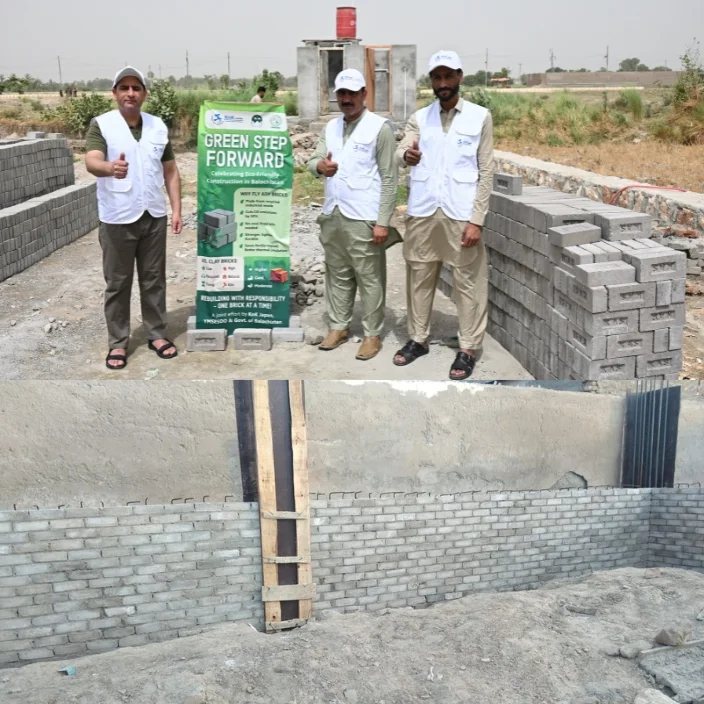
Fly ash bricks produced for KnK Japan construction
Fly ash brick construction on a KnK Japan site
02

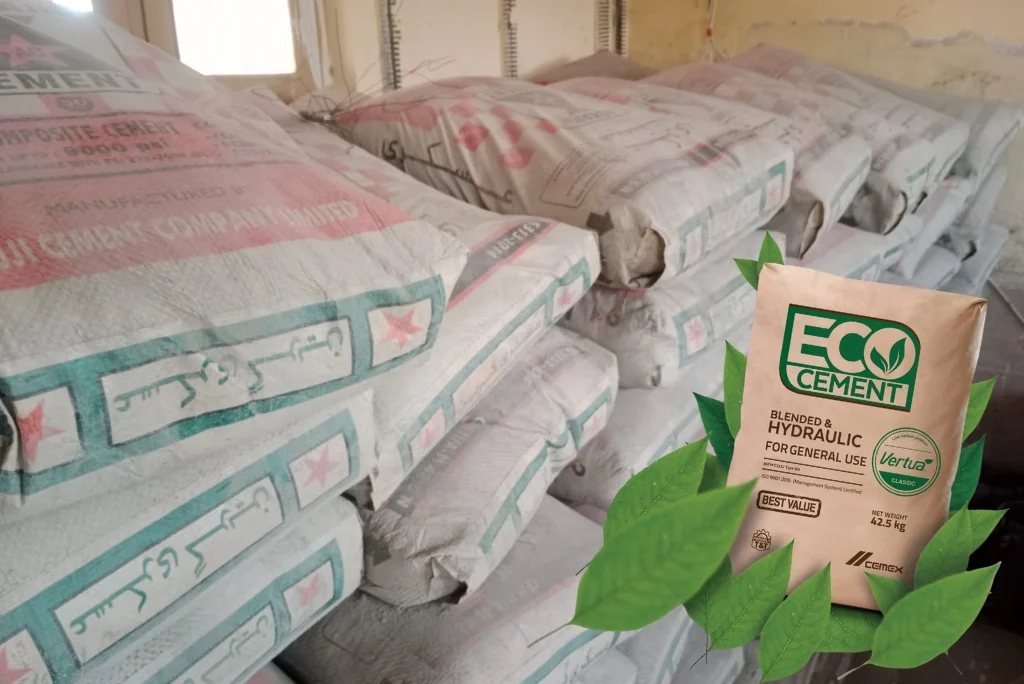
Adoption of Eco-Cement for Sustainable Construction

KnK Japan integrates eco-cement into its construction to reduce carbon emissions. Made by partially replacing limestone with industrial byproducts like fly ash or slag, eco-cement lowers the environmental impact of production while maintaining strength and durability. This approach supports our commitment to sustainable, climate-resilient infrastructure.

03

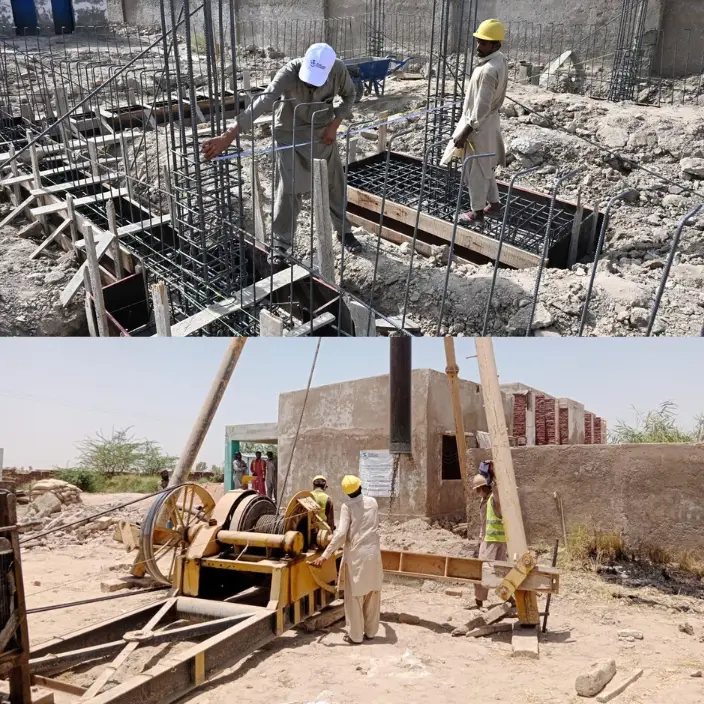
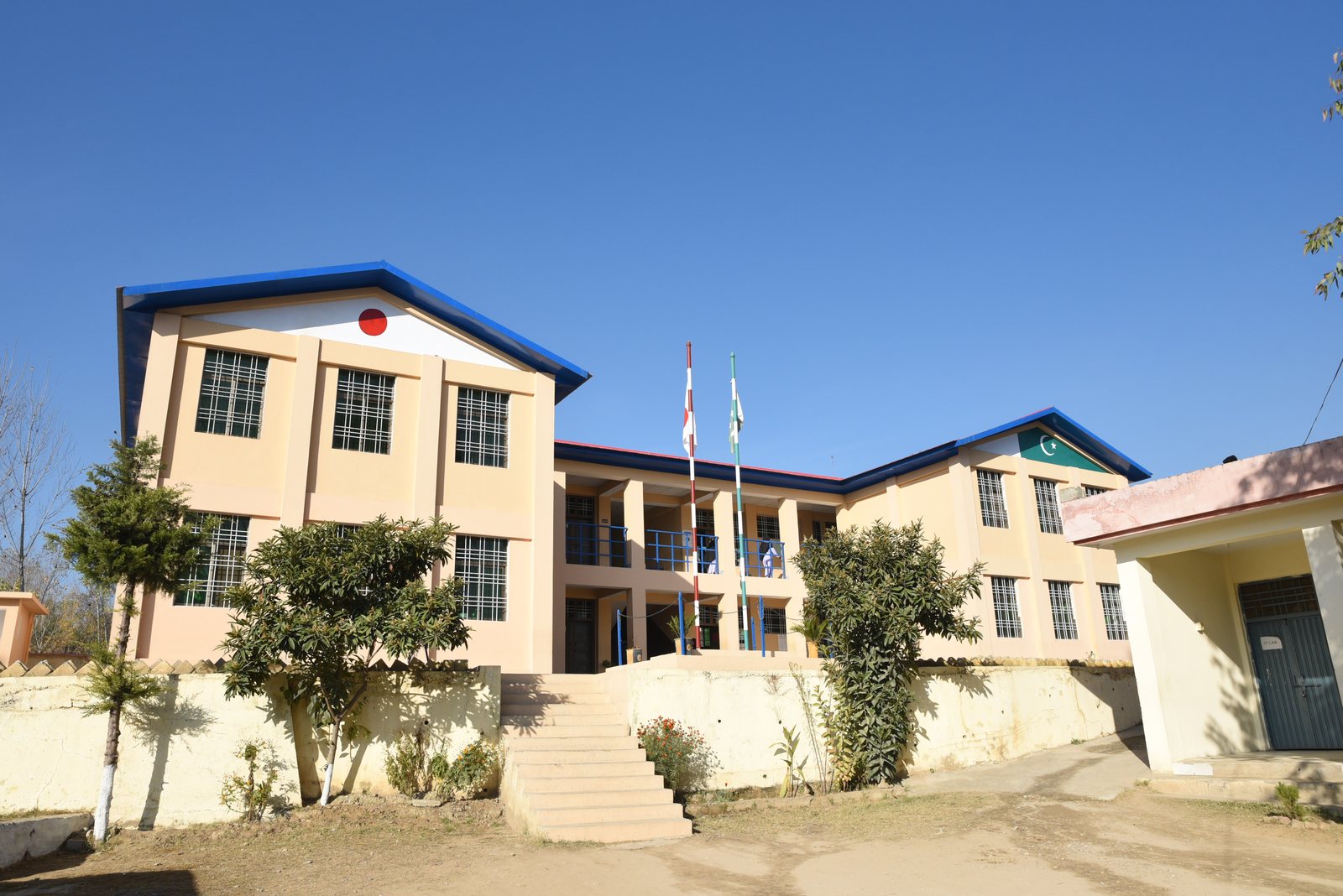
Flood-Resistant Infrastructure: Pile Foundations and Stem Wall Construction

In flood-prone areas, KnK Japan ensures infrastructure safety through flood-resistant techniques like pile foundations and elevated stem walls. Pile foundations anchor buildings deep into stable ground, countering weak soil and resisting flood and seismic forces. Structures are raised up to five feet above expected flood levels, while stem walls provide added protection against erosion and water damage — ensuring long-term durability and safety.

Pile foundation work on a flood-resistant KnK Japan building
Elevated stem wall construction raising a structure above flood level
04

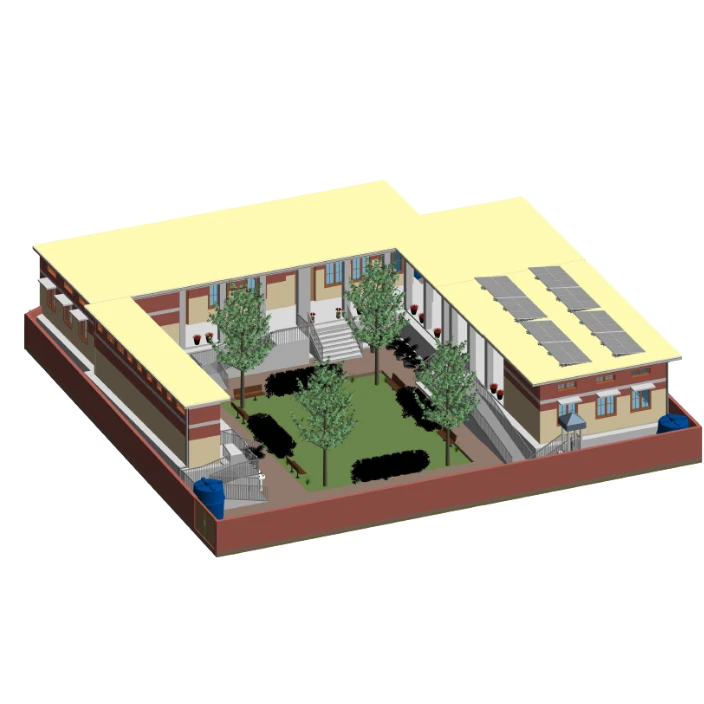
Green Infrastructure: Promoting Resilient and Sustainable Development

KnK Japan is also integrating green infrastructure into its projects, ensuring that the buildings are not only environmentally sustainable but also adaptable to climate change. Green infrastructure features, such as green roofs, rainwater harvesting systems and solar panels, help to reduce the environmental footprint of buildings while enhancing their resilience to climate impacts. Green roofs help to reduce the urban heat island effect, improve air quality, and provide additional insulation for buildings. Rainwater harvesting systems capture and store rainwater, providing a sustainable water source for non-potable needs and reducing reliance on local water supplies. These systems also help mitigate the effects of floods by capturing excess rainwater. Solar panels installed on the roofs of buildings help reduce energy consumption from non-renewable sources.

05

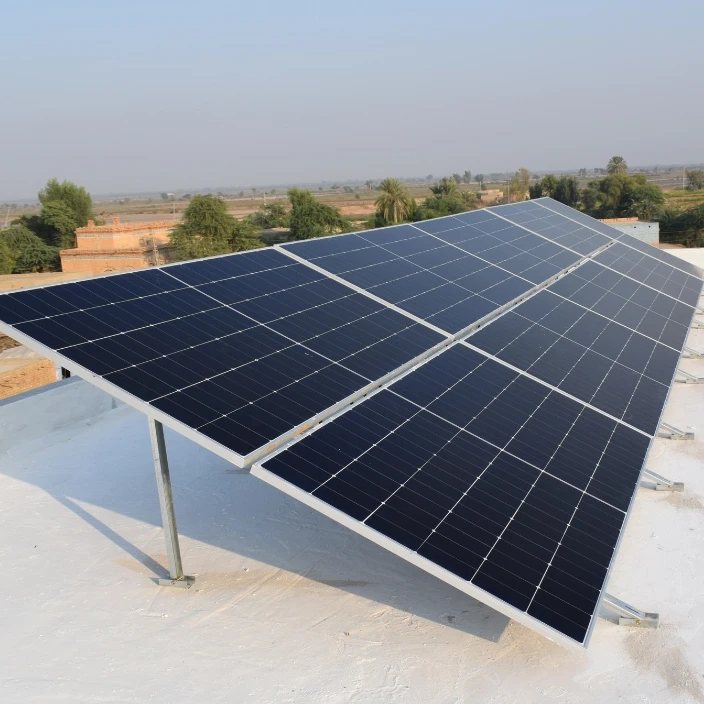
Clean Energy: Solarization and Sustainable Power Supply

KnK Japan is committed to promoting clean energy solutions in all its projects. By installing solar panels on buildings, we reduce the reliance on fossil fuels and provide communities with access to renewable energy. This contributes to the overall reduction in carbon emissions and ensures that the infrastructure we build is energy-efficient and sustainable. We also use polarization techniques to maximize the energy efficiency of solar power systems, ensuring the systems perform efficiently even in regions with varying sunlight levels.

Solar panels installed on a KnK Japan facility
Results

Key Outcomes and Impact

KnK Japan's ongoing efforts to integrate sustainable practices into our infrastructure projects have yielded significant benefits for both the environment and the communities we serve.

Reduction in Carbon Emissions

Enhanced Flood Resilience

Promotion of Clean Energy

KnK Japan's efforts to build climate-resilient infrastructure that is both environmentally sustainable and disaster-resistant are key to helping communities adapt to and mitigate the impacts of climate change. Through these efforts, KnK Japan is fostering a greener, more resilient future in Pakistan.

Empowering Resilience: Our Commitment to Disaster Risk Reduction

Our dedication to building resilience in communities through disaster risk reduction efforts, emphasising the empowerment and commitment of our organisation to address and mitigate disaster risks.

  • Partnerships and international cooperation
  • Community preparedness
  • Education and awareness
  • Eco-system-based approaches
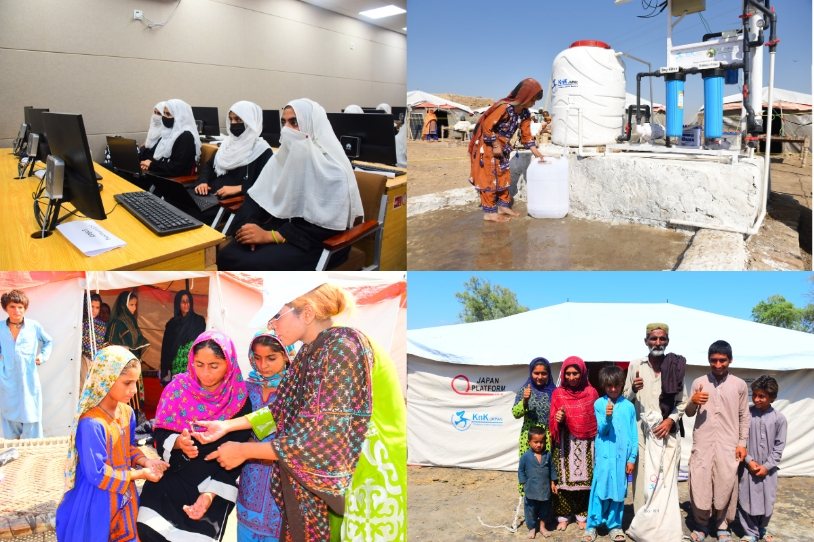
Community disaster risk reduction session run by KnK Japan

Creating a Strong Foundation: Building Resilient Infrastructure

Our focus on developing robust infrastructure that can withstand disaster and promote sustainability, emphasising our dedication to strengthening communities through infrastructure projects.

  • Improved infrastructure that can handle floods and earthquakes
  • Better communication and transportation systems
Resilient infrastructure built by KnK Japan

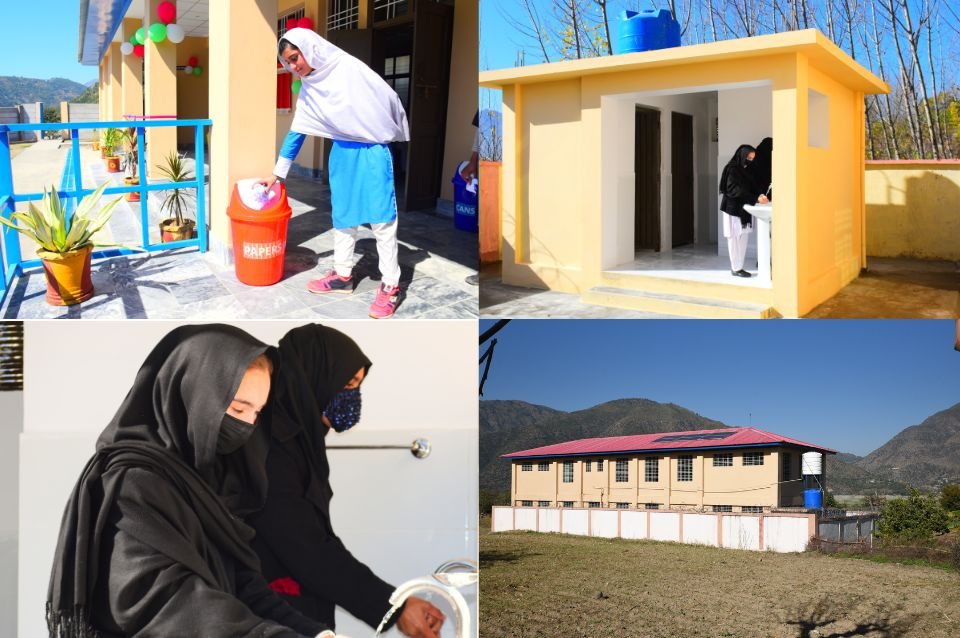
Nurturing Nature: Efforts for a Clean and Green Environment

Our commitment to environmental stewardship, and our work toward maintaining a clean and sustainable environment through nurturing and proactive efforts.

  • Green energy — usage of solar panels
  • Improved sanitation systems and services
Clean and green environment initiative by KnK Japan

Elevating Well-Being: Our Path to Enhancing Life Quality and Health

Our mission to improve people's well-being by enhancing their quality of life and health, showcasing our dedication to positive change and growth.

  • Access to basic needs
  • Economic stability
  • Community resilience
  • Environmental quality
  • Social equity
Community well-being work by KnK Japan
Plantation

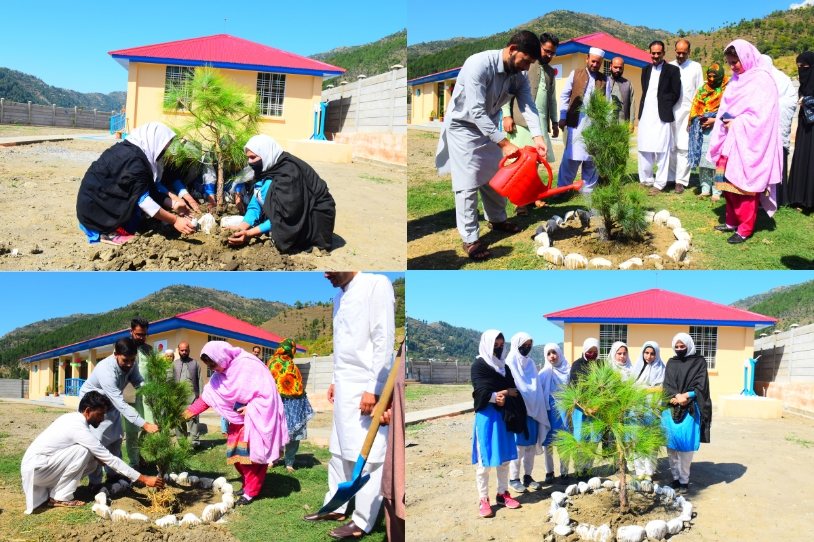
Reviving Our Planet: Our Reforestation Initiatives

Our role in reviving the planet through reforestation efforts, emphasising our commitment to restoring and preserving natural ecosystems for a sustainable future.

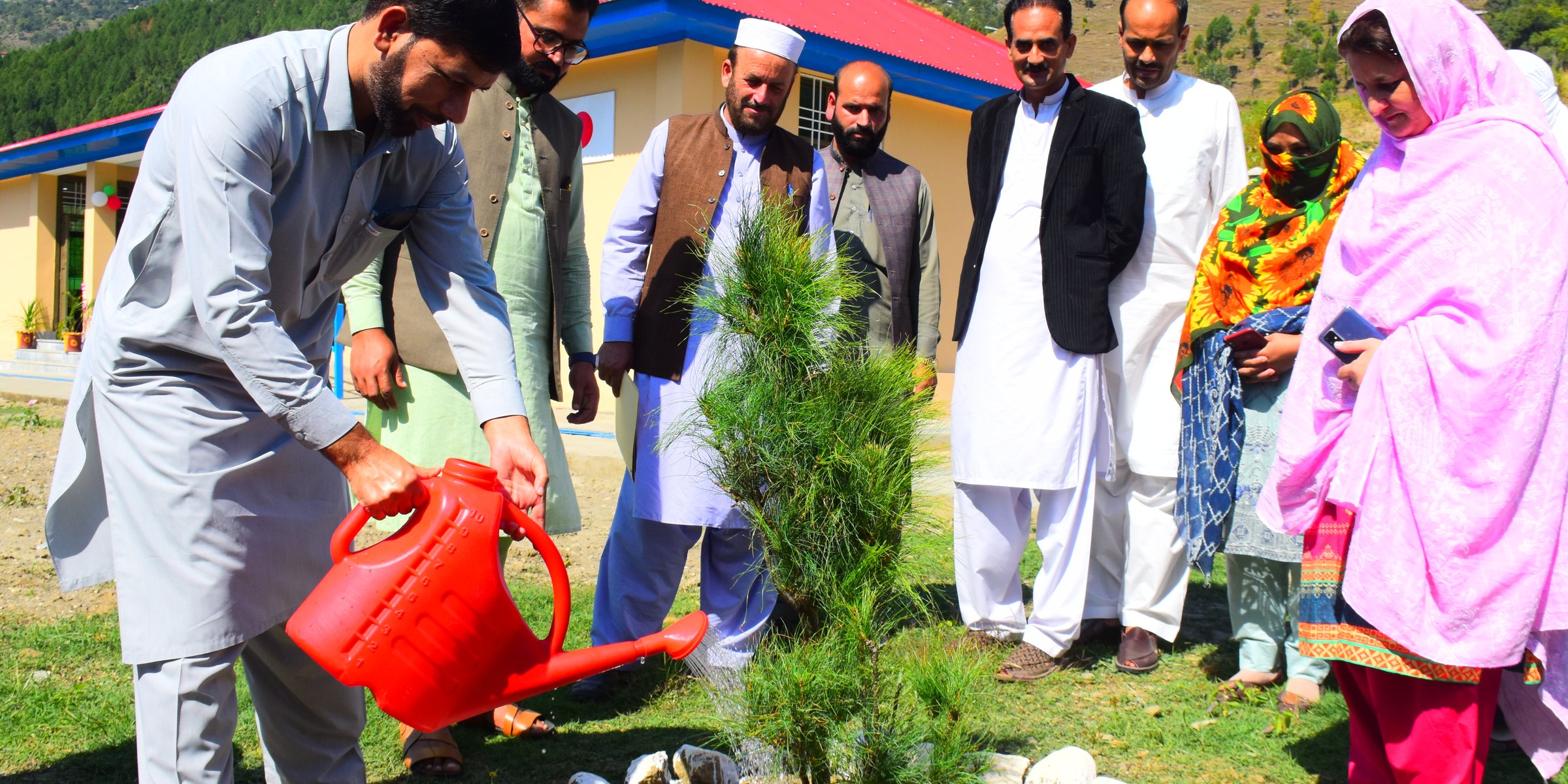
Reforestation and plantation drive run by KnK Japan
With GrowTech Sole

KnK Japan's Climate Smart Agriculture Initiative

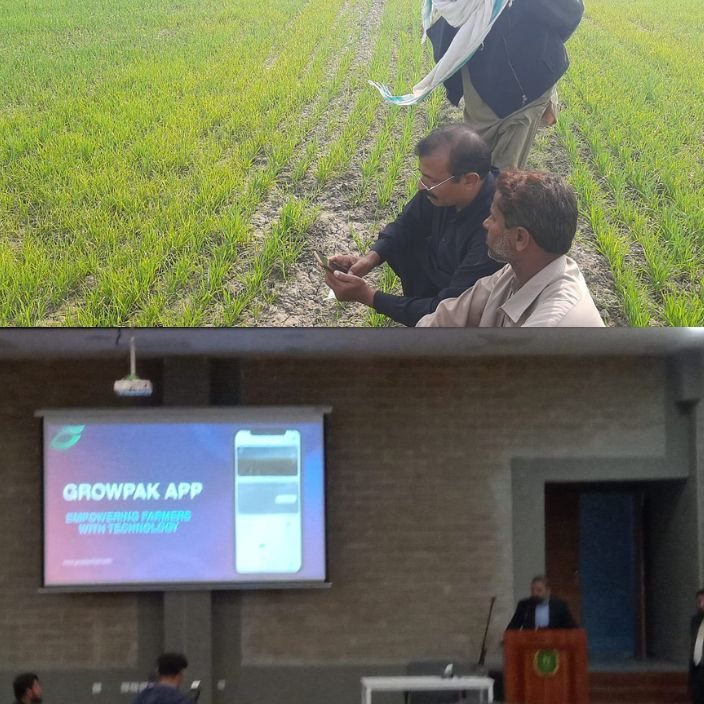
In response to climate change, water scarcity and food insecurity, KnK Japan has partnered with GrowTech Sole to implement Climate Smart Agriculture (CSA) solutions in vulnerable regions of Pakistan — introducing efficient irrigation, training farmers in CSA techniques, and promoting practices that reduce water and energy use while maintaining crop yields.

Irrigation Technologies

  • Drip systems: targeted water delivery with minimal waste.
  • Pivot systems: uniform coverage for large fields.
  • Sprinklers: versatile for diverse terrains and crops.

Sustainable Practices

  • Use of climate-resilient seeds and organic soil management.
  • Adoption of precision farming tools.

Community Engagement

  • Formation of farmer cooperatives for shared learning.
  • Regular CSA training and awareness workshops.
Expected outcomes

Core Interventions

Up to 40% water savings through efficient irrigation.

Improved crop productivity and food security.

Increased resilience to climate shocks.

Reduction in environmental impact and GHG emissions.

  • Climate-smart agriculture field work
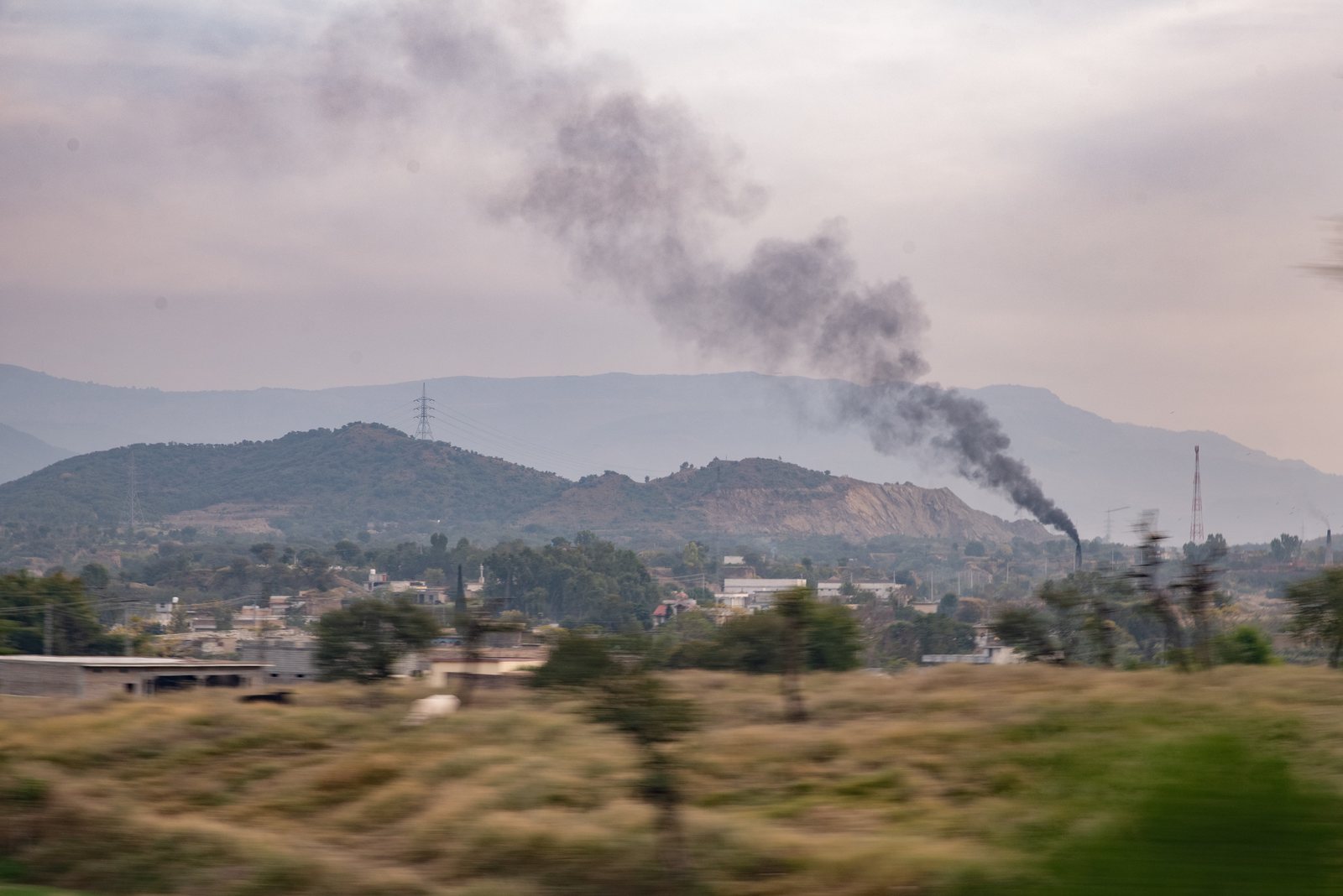
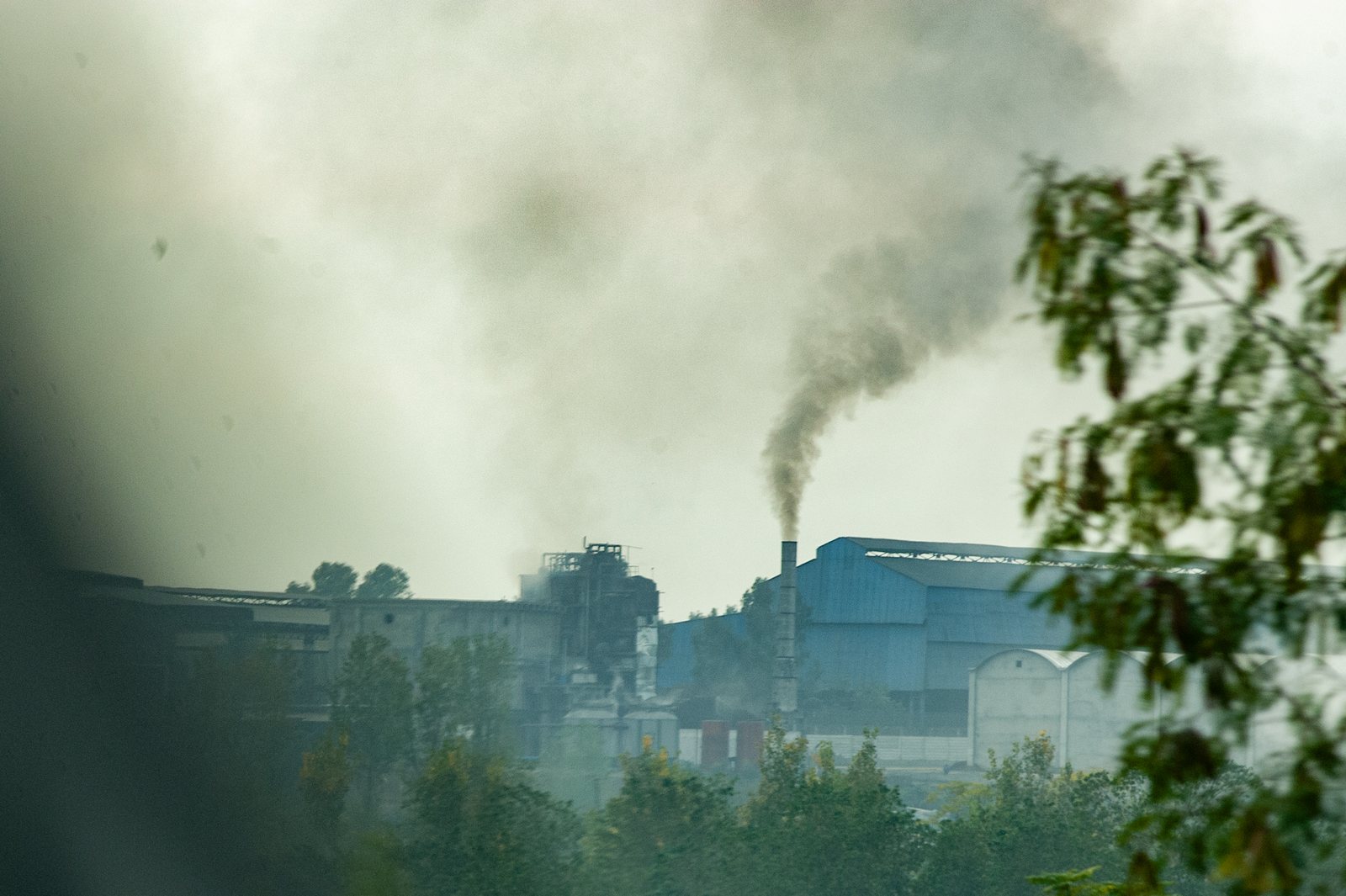
  • Brick kiln emissions across the valley
  • Irrigated farmland under a climate-smart scheme
  • Farmland served by efficient irrigation
  • Community land restored through KnK Japan's work
  • Climate-smart agriculture field work
  • Brick kiln emissions across the valley
  • Irrigated farmland under a climate-smart scheme
  • Farmland served by efficient irrigation
  • Community land restored through KnK Japan's work

Together We Can Make a Difference — Join Our Mission

Work with us as a partner, a volunteer or a donor. Tell us what you have in mind and we will find the right way for you to be involved.