Goal 3: Good Health & Well-being
Addressing trauma, stress and mental disorders for children and caregivers — bringing well-being into emergency settings.
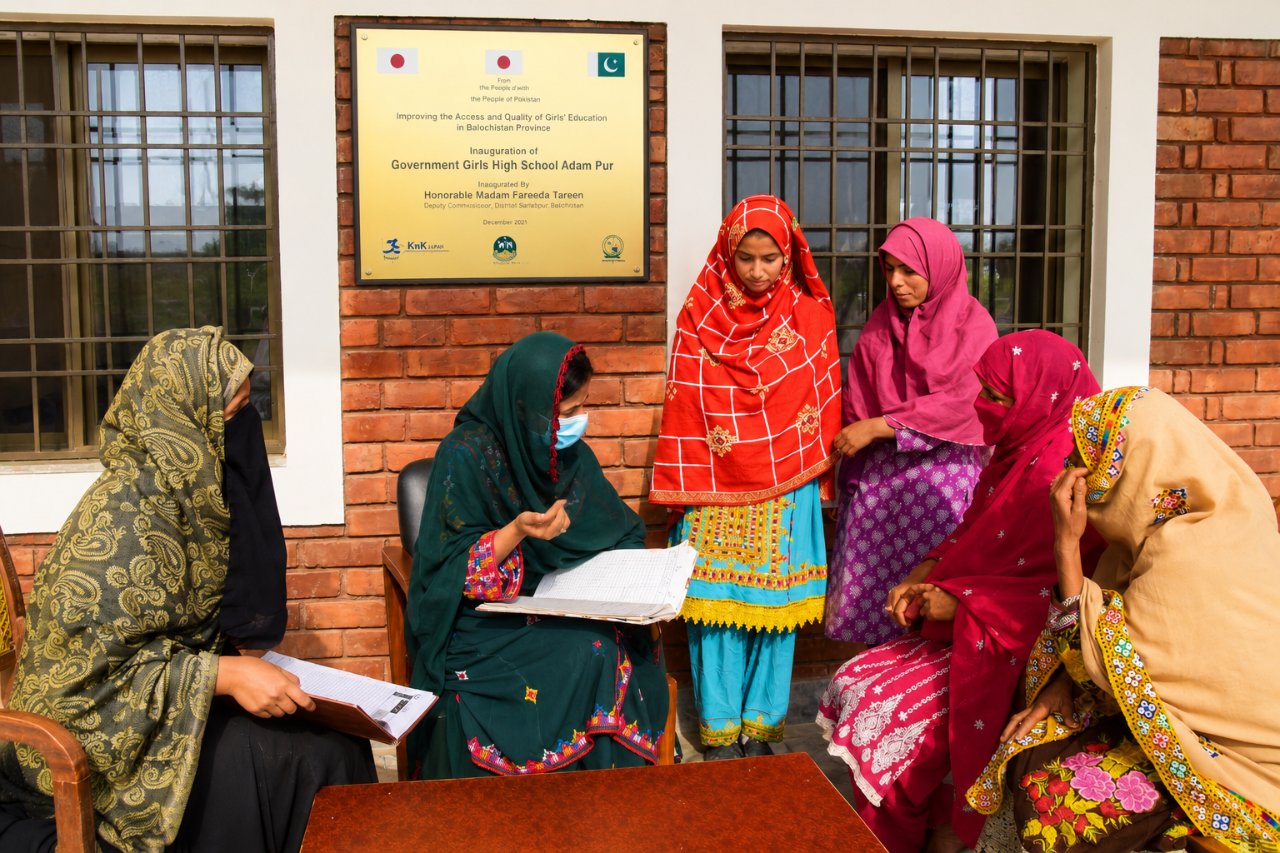
Since the 2005 Kashmir earthquake, KnK Japan has integrated Mental Health and Psychosocial Support (MHPSS) into every emergency response, school and community programme we deliver in Pakistan.
Repeated earthquakes and floods leave lasting psychological strain on children and caregivers.
More frequent floods, droughts and heatwaves disrupt schooling, routines and family life.
Displacement removes the everyday routines, friends and schools that protect mental health.
Mental-health services are scarce, and awareness and social acceptance remain low.
Cultural taboos mean many children and caregivers never reach the support they need.
Kashmir earthquake — first MHPSS deployment, with Child-Friendly Spaces and caregiver groups.
Super-floods — rapid psychosocial support with flood-affected districts.
COVID-19 — remote support for children with disabilities.
Pakistan floods — psychosocial and shelter support, and counsellor training.
Active across regions, with a growing para-counsellor network.
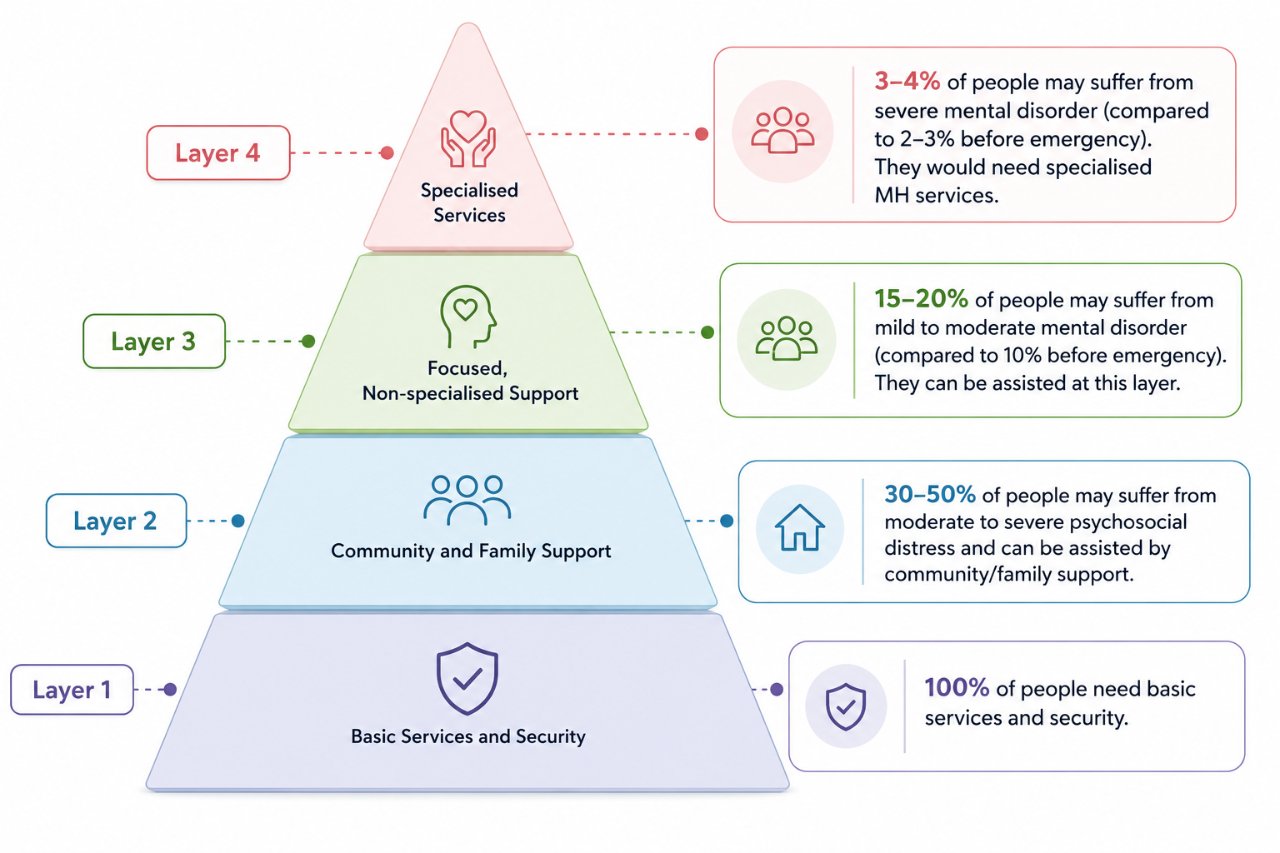
KnK Japan applies the IASC intervention pyramid — from foundational basic services through to specialised clinical referral for severe cases.
Re-establishing safety, dignity and routine — the foundation that stops distress escalating.
Bringing back the social fabric: family tracing, women's circles and parenting groups.
Targeted activities for children with significant distress, led by trained para-counsellors.
For the small share with severe needs — clinical referral and specialist mental-health care.
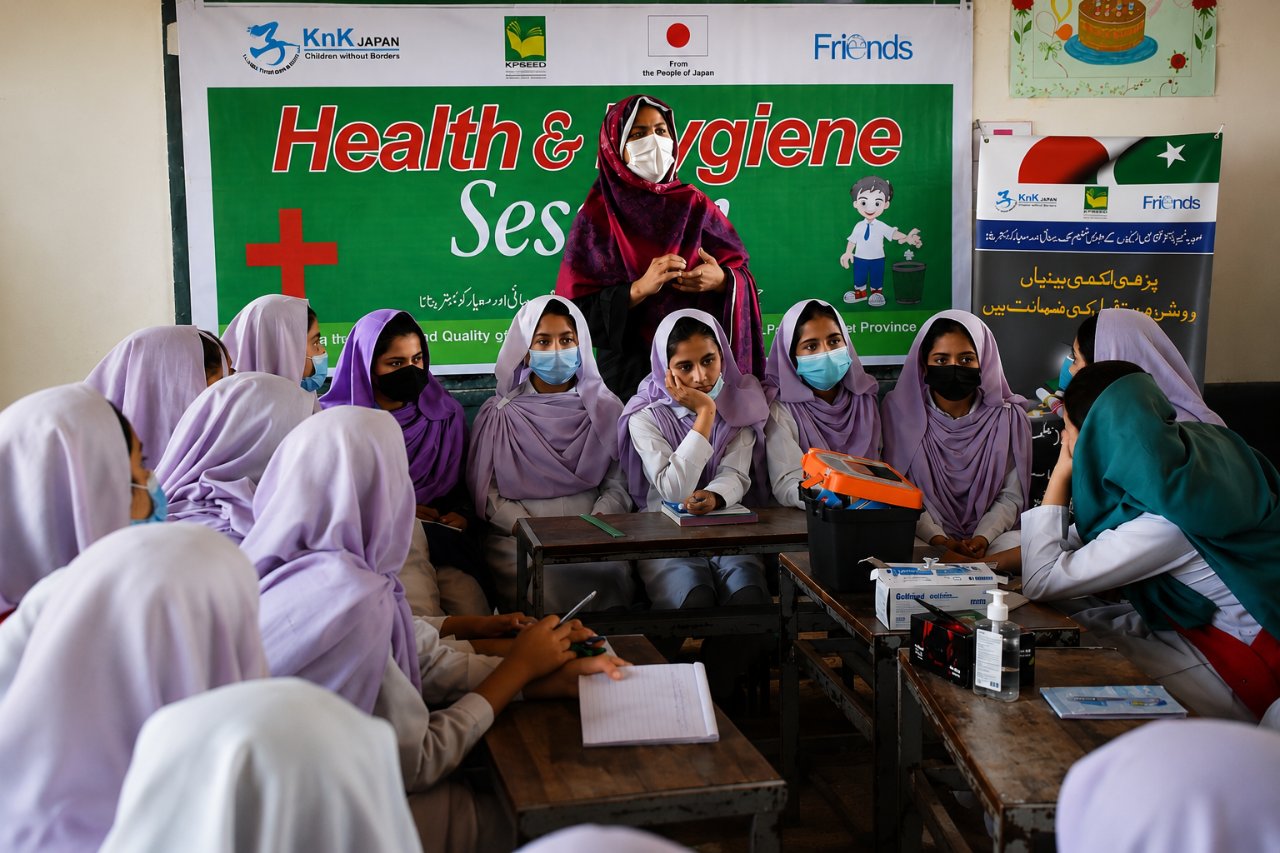
Child-Friendly Spaces and life-skills clubs, with teachers as the first line of support.
Adult and family support built around existing structures — caregiver circles, women's groups.
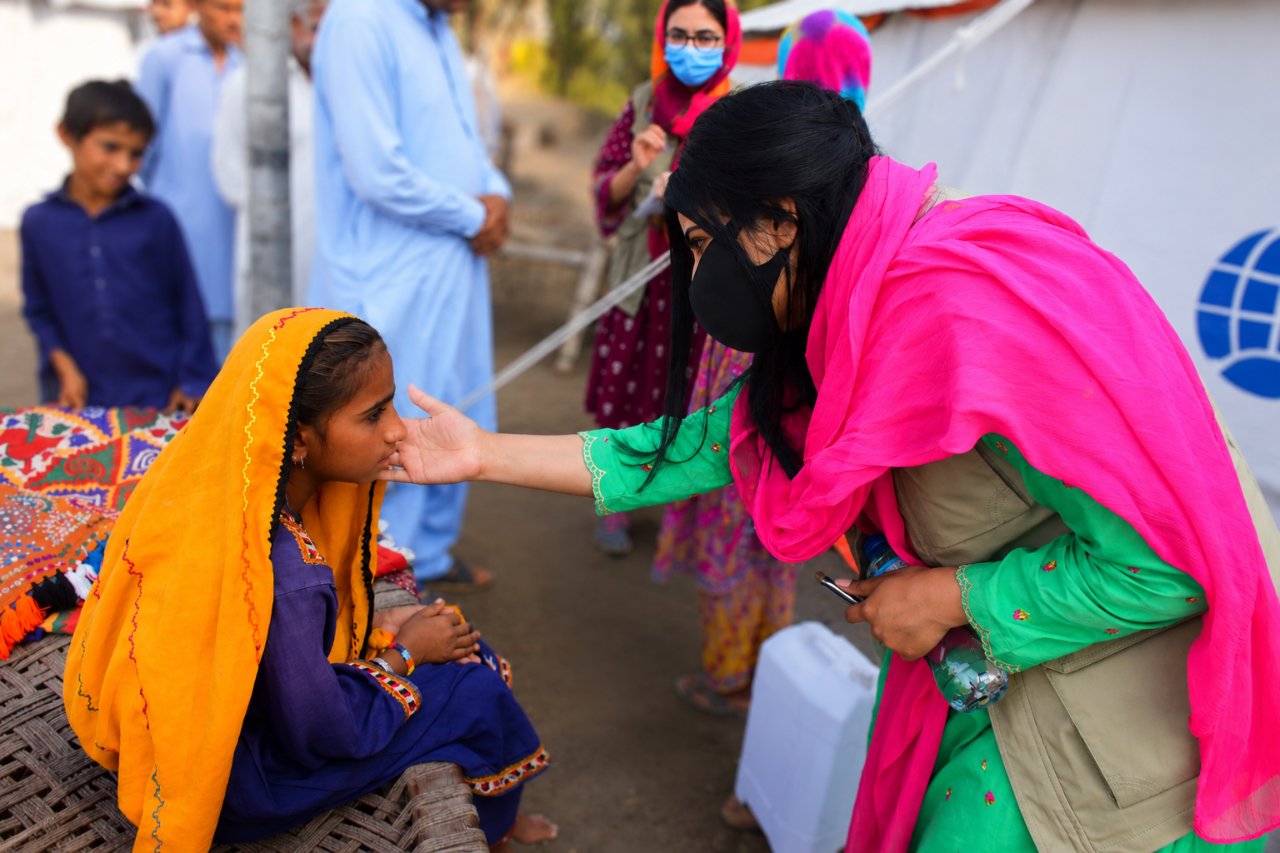
When disaster strikes, rapid MHPSS is deployed alongside Psychological First Aid and referral.
Mental health and psychosocial care are woven through KnK Japan's wider portfolio — education, child protection and climate/DRR programming.
MHPSS skills embedded so teachers become the first line of support for children in distress.
Combined Child-Protection Committees and safe referral pathways for cases of abuse or neglect.
Psychosocial recovery built into climate-adaptive school design and flood-response work.
Indicative figures reflecting KnK Japan's Pakistan portfolio (final MHPSS-specific figures and citations to be added from the programme proposal).
of teachers trained in psychosocial first aid (2005–2024)
of children reached through KnK Pakistan programmes
reach — a presence across regions and MHPSS programming
of continuous MHPSS practice since the 2005 earthquake
KnK Japan's MHPSS programming in Pakistan directly advances six of the seventeen Global Goals — from health and education to gender equality and resilient institutions.
Addressing trauma, stress and mental disorders for children and caregivers — bringing well-being into emergency settings.
School-based MHPSS keeps children learning through crisis, reducing dropout and supporting teachers under pressure.
Targeted psychosocial support for women and girls, including survivors of gender-based violence and displacement.
Reaching the most marginalised: children with disabilities, internally displaced persons and minority communities.
Building child-protection systems and peaceful, psychologically safe communities from the ground up.
Co-delivering programmes with government, UN agencies, bilateral donors and local NGOs across six regions.
Work with us as a partner, a volunteer or a donor. Tell us what you have in mind and we will find the right way for you to be involved.